

Meet the Speakers
Heritage Adapts! @ Climate Week NYC
Thursday, September 24 @ 3pm
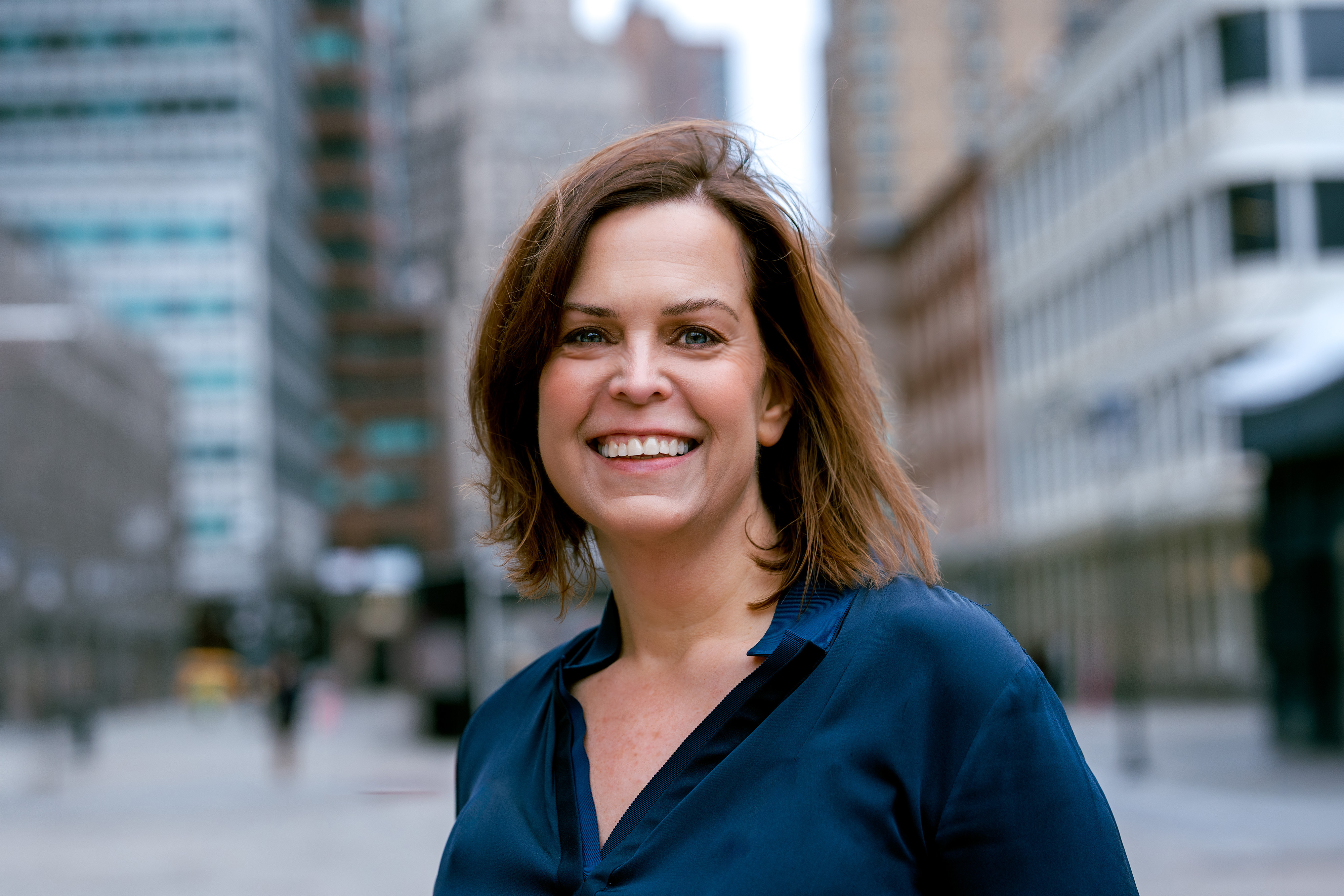
Lisa Kersavage
Lisa Kersavage is Chair of the New York City Landmarks Preservation Commission and has more than two decades of experience at the intersection of historic preservation, urban planning, and sustainability. Prior to her appointment as Chair by Mayor Mamdani, she served for seven years as LPC’s Executive Director, overseeing the agency’s operations, policy development, and strategic planning. Before joining LPC, Lisa managed Changing Course, an international design competition focused on creating a more sustainable and resilient Lower Mississippi River Delta, in partnership with the Environmental Defense Fund and Van Alen Institute. She previously served as Senior Director of Preservation and Sustainability and Director of Advocacy and Policy at the Municipal Art Society of New York. Lisa holds an M.S. in historic preservation, with a focus on urban planning, from Columbia University and a B.A. in art and architectural history from Penn State University.
LinkedIn | Facebook
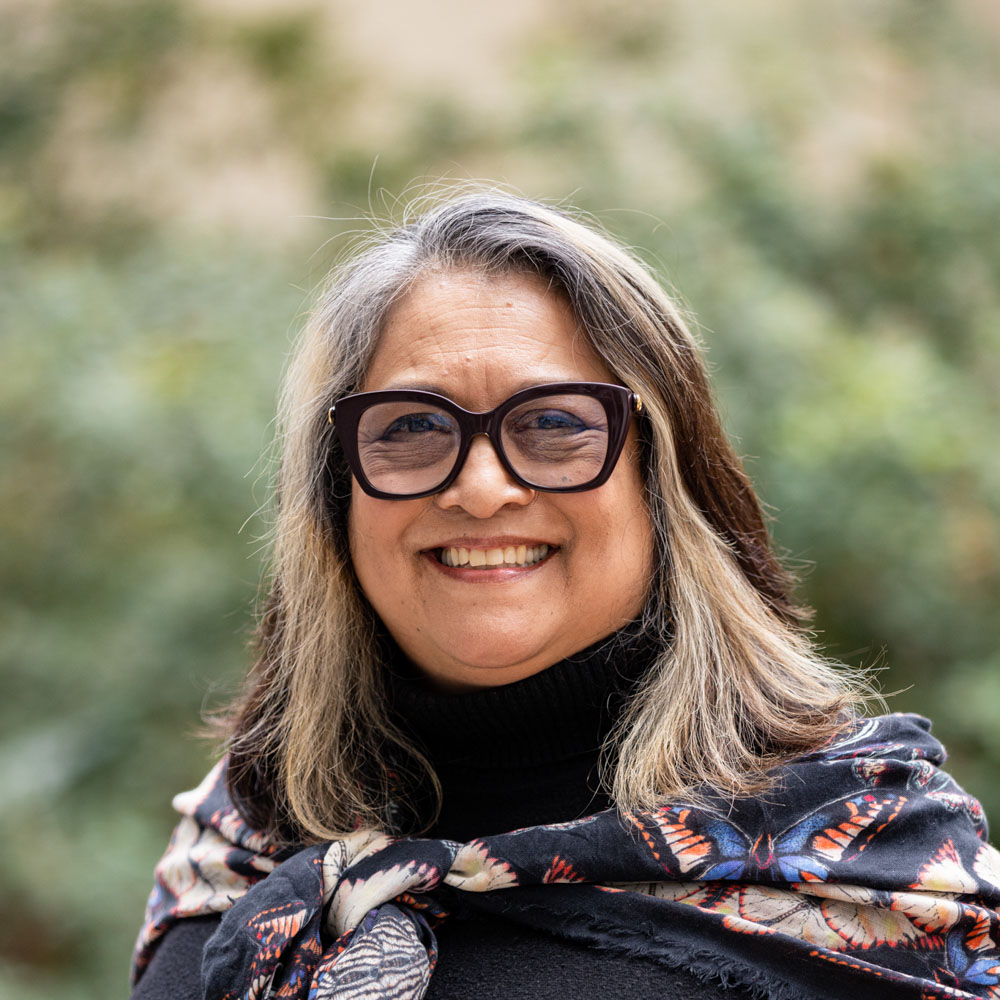
Julianne Polanco
Julianne Polanco is a heritage professional with a depth of experience, from the international to local levels, focused on building rehabilitation, historic site stewardship, cultural heritage, and public policy. Her extensive work in the natural resources, environmental policy, and land conservation arenas has been on behalf of a member of Congress, California Governors, non-profit organizations, and the private sector. Currently the California State Historic Preservation Officer, Julianne oversees preservation laws and cultural heritage frameworks, working in collaboration with Tribal nations, adjacent communities, federal and state agencies, and non-governmental organizations, to steward cultural and historic resources. She is dedicated to helping ensure that the stories of all communities are present in the rich and beautiful mosaic of our shared history. A primary focus of her work is on the intersection of cultural heritage and climate action, raising the voices of communities to help create a resilient and vibrant future for all. She is a founding member and Immediate Past Co-Chair of the Climate Heritage Network and a Fellow Emeritus of the Urban Land Institute’s Sustainable Development Council.
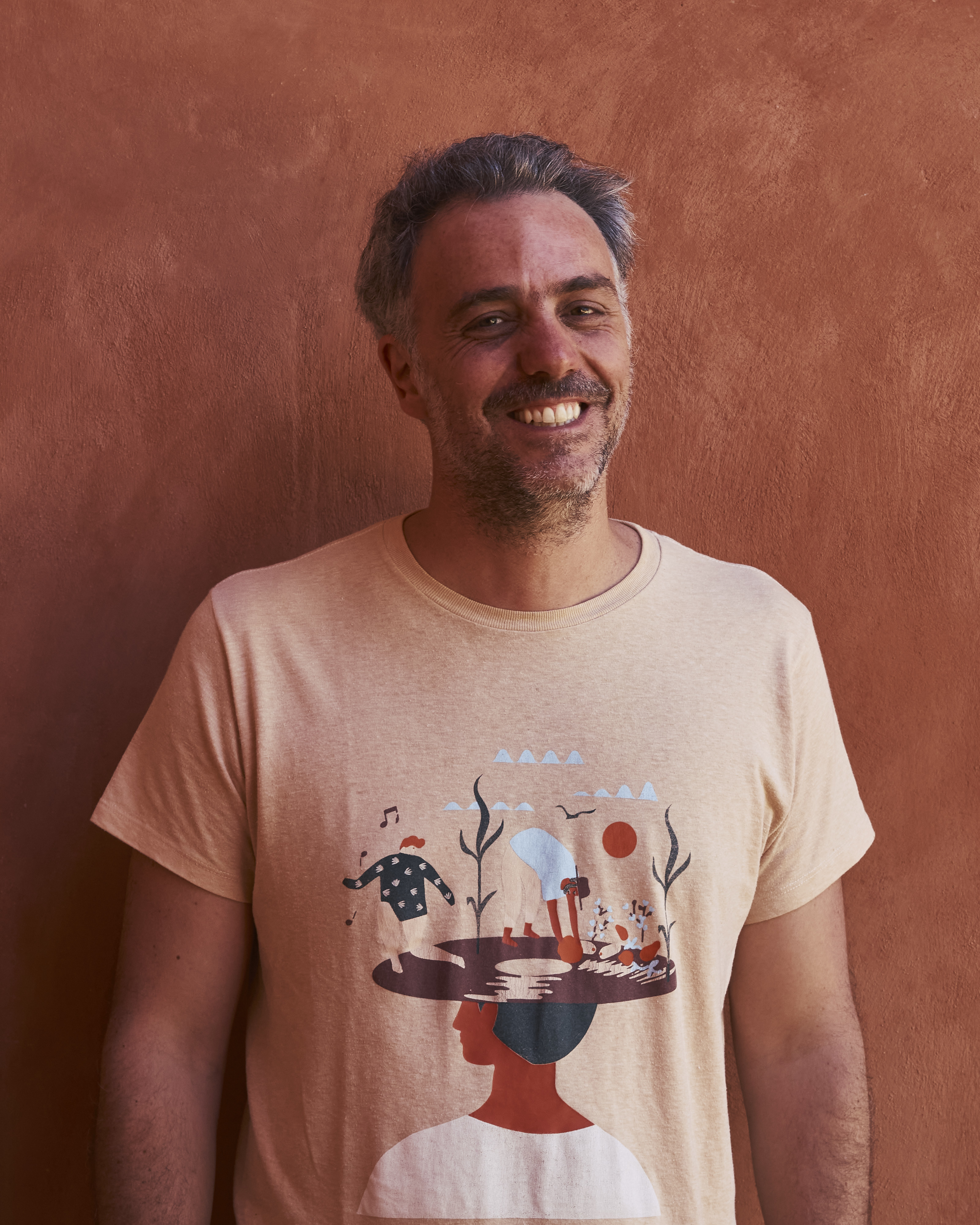
Lucio Usobiaga
Lucio Usobiaga was born in 1986 in Mexico City, Mexico. He studied philosophy. Lucio has worked as a farmer and a promoter of the chinampas for more than 16 years. He founded Arca Tierra and Iniciativa Agroecológica Xochimilco. Both organizations propose a path towards a greener and more just food system. His life’s work is based in helping to give recognition and value to peasant farmers. He is also the founder of Baldio - Mexico City’s first Michelin green star restaurant.
LinkedIn
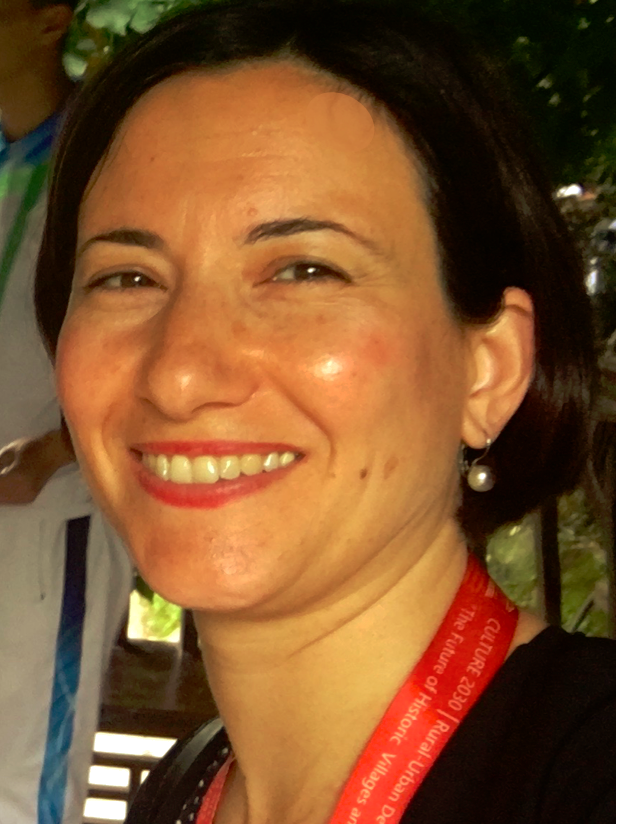
Dr. A. Ege Yildirim
Dr. A. Ege Yildirim is an urban planner specializing in heritage conservation, with over 25 years of experience related to cultural heritage policy and governance, UNESCO World Heritage, and sustainable development. She was a Fulbright Scholar at Pratt Institute (New York), Senior Fellow for Archaeological Site Management at Koç University (Istanbul) and a Salzburg Global Seminar fellow. Her previous positions include heritage planner at the Abu Dhabi Authority for Culture & Heritage, site manager for the Historic Guild Town of Mudurnu; and ICOMOS Focal Point for the SDGs. She founded Terra Mudurnu, a social venture for heritage-based sustainable development. Ege is currently supporting ICOMOS Türkiye, Europa Nostra, Heritage Adapts! and the Climate Heritage Network for the Culture at COP31 platform.
LinkedIn
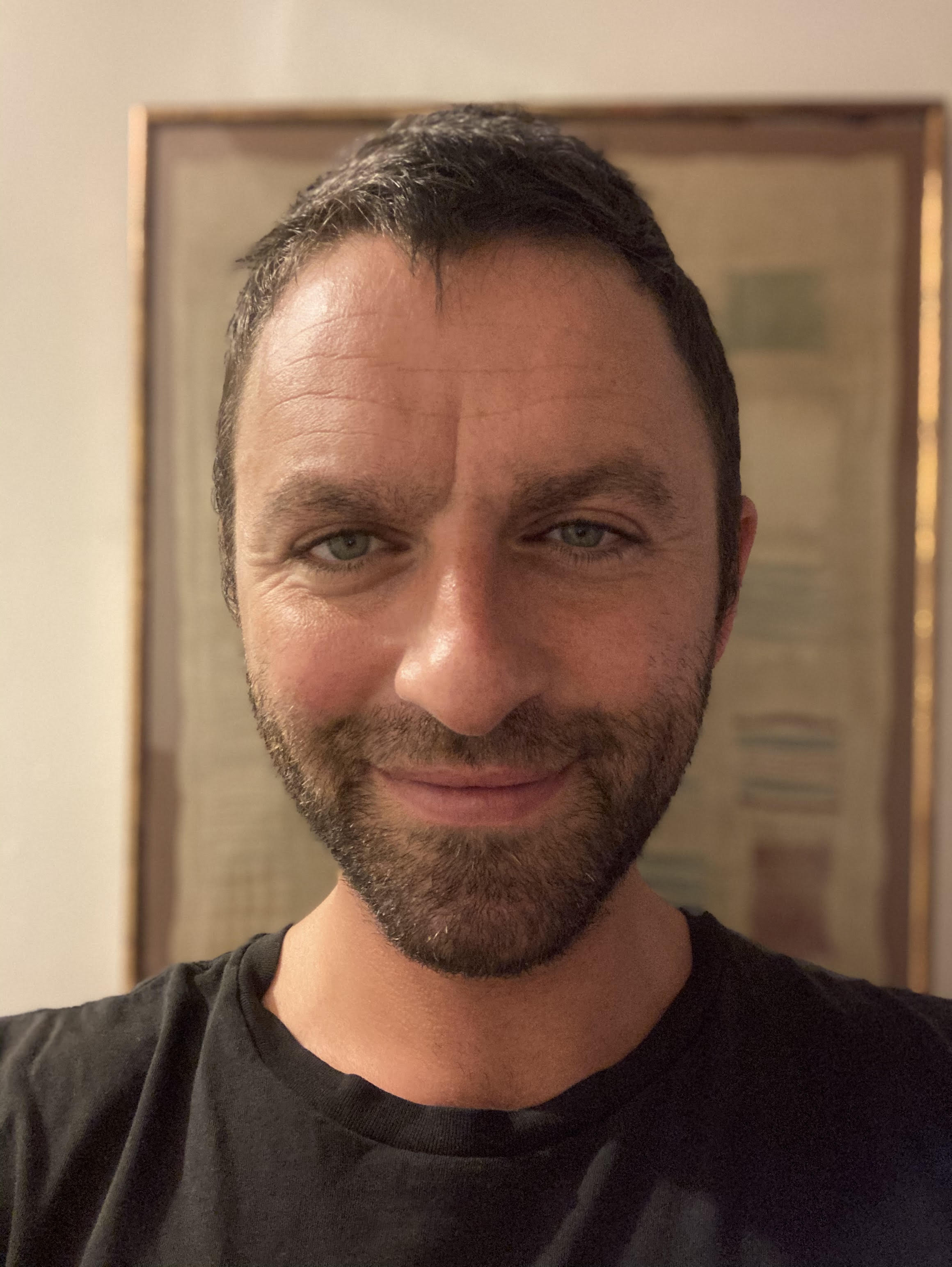
Stephen Martin
Stephen Martin is a preservation and planning professional whose work focuses on architecture, historic sites, and cultural institutions. He served as Director of Planning & Design at the Franklin D. Roosevelt Four Freedoms Park Conservancy, where he spent years working on Roosevelt Island and became closely interested in the Smallpox Hospital ruin. Seeing the building deteriorate over time led to his founding of Friends of the Ruin, a nonprofit advocating for its preservation and adaptive reuse. His work brings together historic preservation, architecture, and the public life of significant sites.
LinkedIn
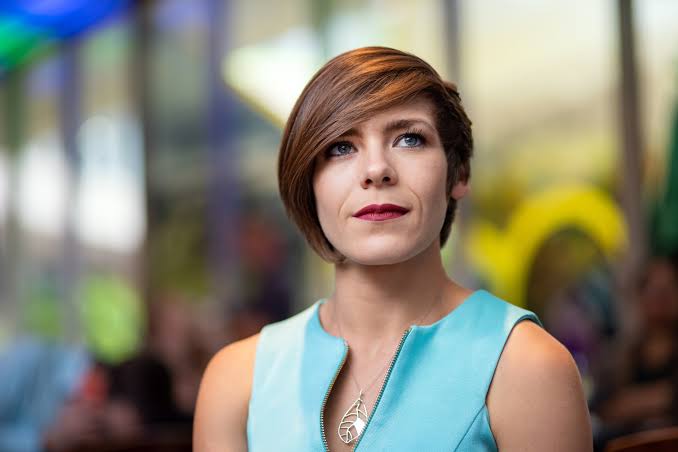
Dr. Victoria Herrmann
Victoria Herrmann is a storyteller and geographer working with communities around the world on climate change adaptation. As a National Geographic Explorer, Assistant Research Professor at Georgetown University, and Senior Fellow at The Arctic Institute, she has spent the past decade leading research initiatives and directing capacity building programs to support communities adapt on the front lines of the climate crisis and safeguard their cultural heritage. Victoria is the Director of Preserving Legacies: A Future for Our Past, a National Geographic project that empowers communities worldwide with the scientific knowledge and technical training to implement climate adaptation plans to safeguard their cultural heritage. A recognized expert in Arctic climate policy, Victoria has testified before the US House and Senate, served as the Alaska Review Editor for the National Climate Assessment, and was named as one of the ‘World’s 100 Most Influential People in Climate Policy’ by Apolitical. She has previously served as the President and Managing Director of The Arctic Institute, a White House Fellow, a Fulbright awardee to Canada, a Carnegie Endowment Junior Fellow, and a Gates Scholar at the University of Cambridge, where she received her PhD.
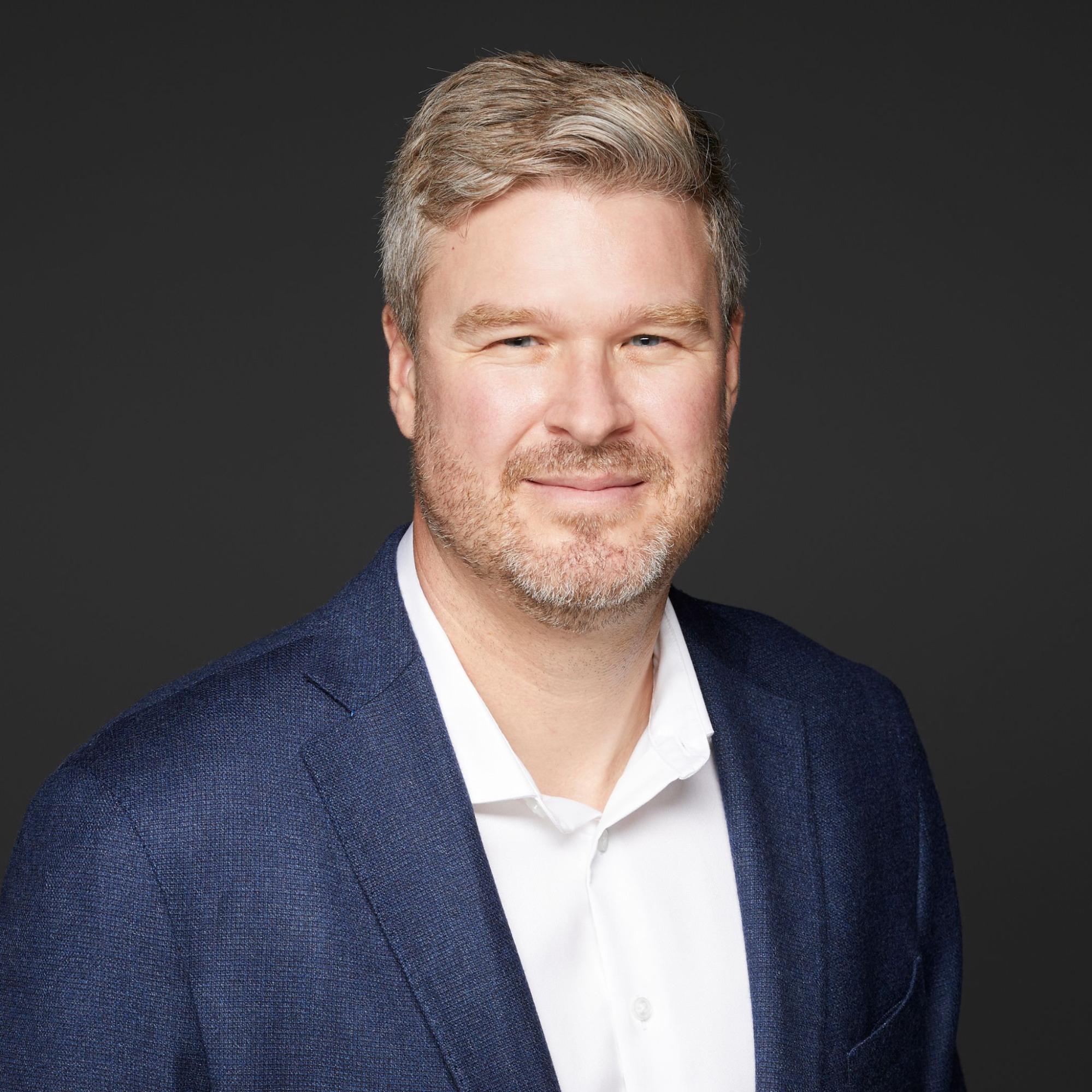
Ian Miller
As chief science and innovation officer at the National Geographic Society, Ian Miller oversees the Society’s scientific and conservation functions to ensure that science and conservation continue to be foundational to the organization’s programs for impact and illumination.
Before joining the Society, Miller spent 15 years at the Denver Museum of Nature & Science, most recently serving as the director of Earth and space sciences. During this time, he studied fossil plants, paleoclimate, paleoecology and tectonics, and co-led the Snowmastodon Project, which provided a new benchmark for understanding climate change in the American West.
Throughout his academic career, Miller has worked on all seven continents and has been a lead scientist on major field expeditions in Madagascar and much of the western United States. He has published more than 50 peer-reviewed scientific articles and books on paleobiology and geology.
He continues to collaborate on research projects focused on the recovery of life following Earth’s last mass extinction.
Beyond his work as a scientist, Miller has led museum initiatives aimed at deepening people’s connection with the natural world and unearthing major trends in new and existing audiences that are defining the future of museums.
Miller received his Ph.D. and master’s degree in geology and paleobotany from Yale University, and a B.A. in geology from Colorado College.
LinkedIn