
El Niño
Understanding Risks and Preparing Heritage Practitioners and Communities
Hosted by Heritage Adapts!
Friday October 30, 2026
How can heritage practitioners and communities prepare for El Niño-related risks? This public event brings together climate science, regional perspectives, and practical experience to explore potential impacts on cultural and natural heritage.Two linked sessions, an international discussion in English and a Brazil-focused session in Portuguese, will explore climate hazards, preparedness, and lessons from heritage practitioners and communities. Through presentations and interactive discussions, participants will consider how climate information can inform action in their own contexts.
Schedule of Events
International session (English)
- Understanding El Niño
- Observed and potential heritage impacts, regional hazards, and preparedness
- Discussion: How can climate scientists and heritage professionals work together to support locally appropriate preparedness?
Rescheduling: Brazil focused session (Portuguese)
- Introduction to El Niño
- International examples of heritage impacts and preparedness
- Risks across Brazil’s regions and biomes
- Lessons and good practices
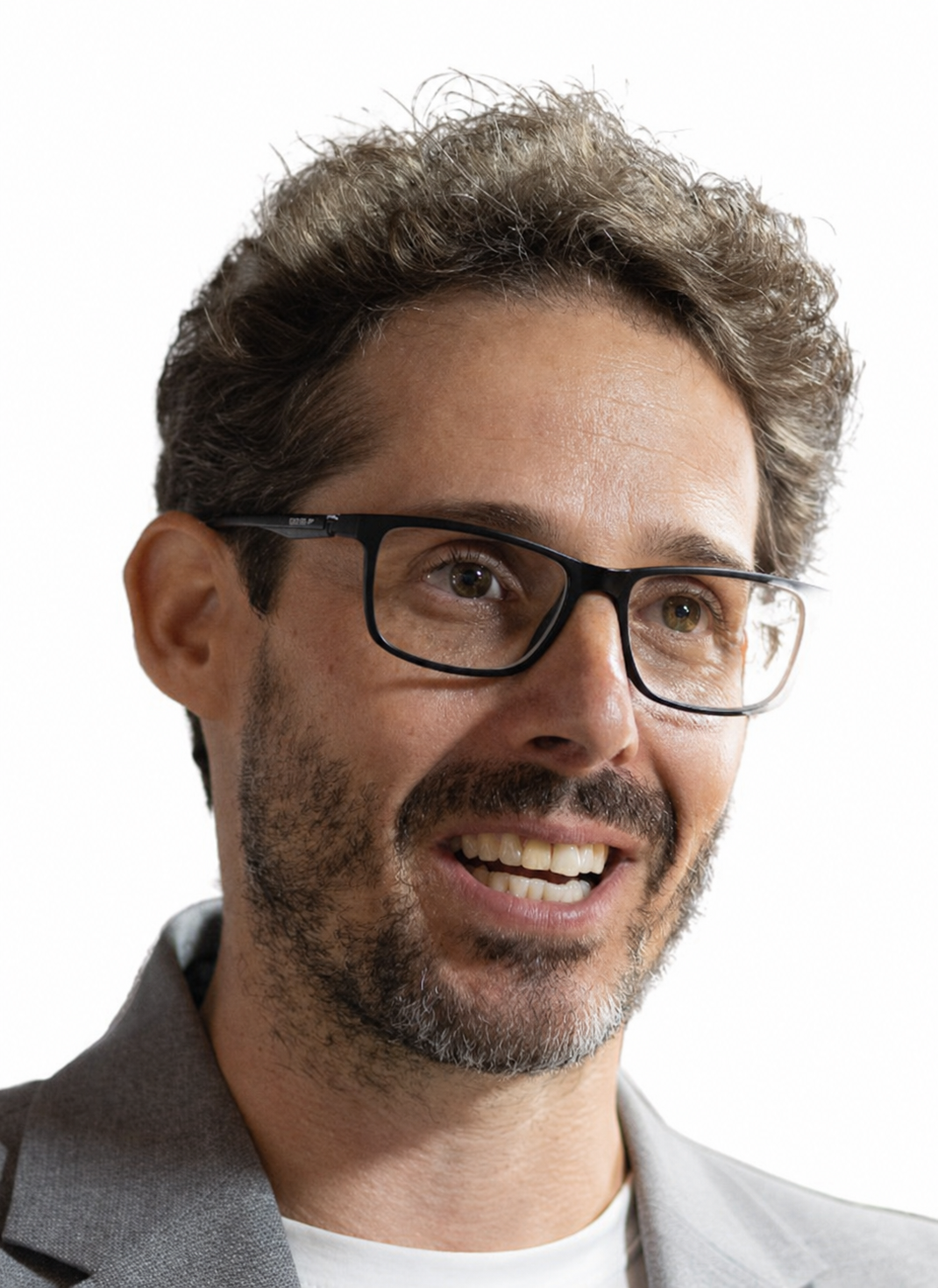
Giovanni Dolif Netoerta
Read bio
Giovanni Dolif é meteorologista (USP, 2000), mestre em meteorologia (USP, 2003) e doutor em meteorologia (CPTEC-INPE, 2012). Trabalhou como meteorologista no Centro de Previsão de Tempo e Estudos Climáticos do Instituto Nacional de Pesquisas Espaciais por 12 anos. Há 12 anos está no Centro Nacional de Monitoramento e Alertas de Desastres Naturais-CEMADEN, do Ministério de Ciência e Tecnologia do Governo Federal, como pesquisador em meteorologia e coordenador de operações substituto. Sempre atuou na previsão de tempo para diferentes atividades. No verão de 2024 foi tripulante de uma Expedição histórica de veleiro do Brasil até a Antártica onde foi responsável pelo planejamento meteorológico. Hoje apoia operações de navegadores oceânicos e pilotos de helicóptero. Ministra cursos e palestras. Autor do livro: “Meteorologia: para navegar, voar e trilhar”. Aline Vieira de Carvalho is a researcher at the Center for Environmental Studies and Research (NEPAM) at the University of Campinas (Unicamp), Brazil, where she coordinates the Laboratory of Public Archaeology. She also chairs the ICOMOS Brazil Committee on Climate Change and Heritage. Her research explores the intersections of cultural heritage, archaeology, environmental history and climate action, with a particular focus on public engagement, social justice and the role of culture in building resilient and sustainable futures.
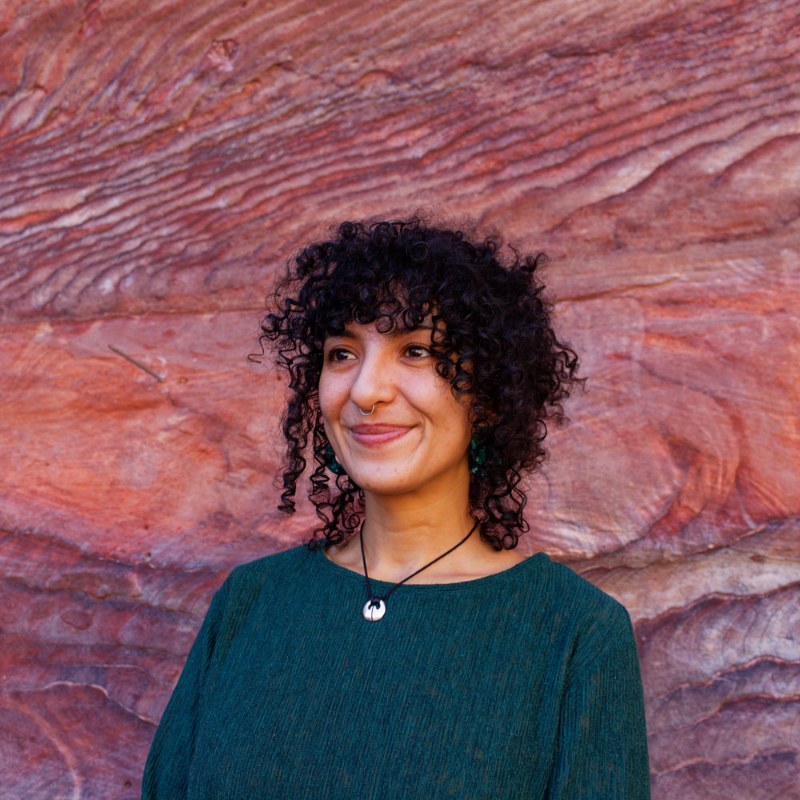
Dr. Salma Sabour
Read bio
Dr Salma Sabour is Director of Science and Interdisciplinarity at Preserving Legacies and a postdoctoral researcher at Durham University. A climate-risk and adaptation specialist, her work lies at the intersection of climate change, heritage, equity and justice. Trained in physical and environmental engineering, she holds a PhD in interdisciplinary climate-risk research from the University of Southampton.Her work combines geospatial modelling, statistical analysis, social-science and participatory methods, bringing Indigenous Knowledge, local and scientific knowledge systems into dialogue. She advances just, locally led climate action across risk assessment, adaptation planning, implementation, monitoring, learning and evaluation, connecting rigorous science with facilitation, strategy, communication and coalition-building among communities, researchers, practitioners and policymakers.At Preserving Legacies, she helps lead a global initiative supporting heritage custodians and communities responding to climate change. She also consults for the University of Cape Town on global evidence for adaptation in heritage contexts. Her research at Durham University explores how plural knowledge systems can inform grounded and equitable adaptation pathways in coastal Benin.Salma is a Lead Author for the Africa chapter of the IPCC’s Seventh Assessment Report. She has contributed to the work of UNESCO, ICOMOS, the World Bank and the IPCC, and has published in Nature Climate Change and Environmental Research Letters.Salma spearheads the integration of cutting-edge climate heritage science and methodologies, delivering training in climate model and data downscaling. Through her work, she fosters co-creation, inclusivity, and integration of plural knowledge systems into Preserving Legacies workshops, and facilitates partnerships between communities, heritage professionals, and climate science organizations. Salma holds a double physical and environmental engineering degree from the University of Liege, Belgium, and Ecole Centrale Paris, France. Her interdisciplinary PhD research at the University of Southampton focused on the risk, vulnerability, and resilience of coastal Natural World Heritage Sites and communities to climate change and sea-level rise. Salma has collaborated with esteemed researchers, participated in international research projects, and published in premiere journals including Environmental Research Letters and Nature Climate Change. Salma has consulted for local governments and international organizations, including the IPCC, ICOMOS, UNESCO, the World Bank, and UNDP, on heritage, climate change, waste management, coastal management, and environmental issues. She actively promotes equity, diversity, and inclusion and has received recognition for her engagement in public outreach, fundraising, and collaborate projects. In her personal life, Salma raises awareness about climate change, participates in political actions, supports various causes, and enjoys activities such as tending to a collective garden, exploring nature, and playing saxophone. Through her multifaceted pursuits, Salma embodies an unwavering commitment to co-creating positive change and forging a more sustainable and vibrant future for all.
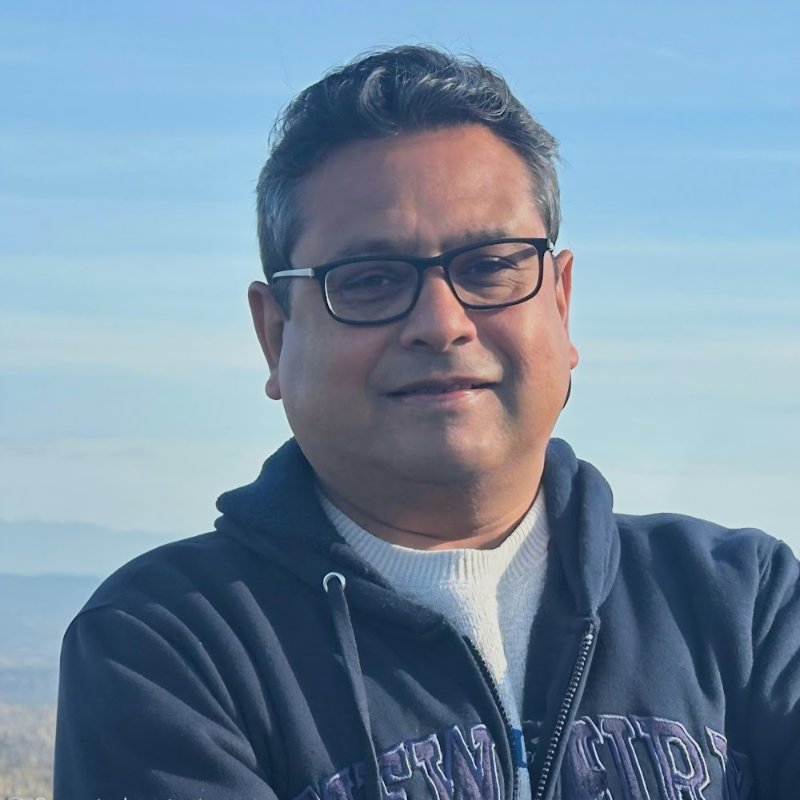
Rohit Jigyasu
Read bio
Rohit Jigyasu is a conservation architect and risk management professional from India, currently working as the programme director at the Southeast Asian Regional Centre for Archaeology and Fine Arts (SEAMEO-SPAFA) based in Bangkok. Before taking up this position, Rohit worked at ICCROM as Programme Manager on sustainable urban and built Heritage conservation, disaster and climate risk management & post crisis recovery since 2018. Rohit also served as UNESCO Chair holder professor at the Institute for Disaster Mitigation of Urban Cultural Heritage at Ritsumeikan University, Kyoto, Japan, where he was instrumental in developing and teaching International Training Course on Disaster Risk Management of Cultural Heritage. He was the elected President of ICOMOS-India from 2014-2018 and president of ICOMOS International Scientific Committee on Risk Preparedness (ICORP) from 2010-2019. Rohit served as the Elected Member of the Executive Committee of ICOMOS since 2011 and was its Vice President from 2017-2020. Before joining ICCROM, Rohit has been working with several national and international organizations such as UNESCO, UNDRR, Getty Conservation Institute and World Bank for consultancy, research and training on Disaster Risk Management of Cultural Heritage. He has undertaken post disaster assessments for cultural heritage, worked on the initial draft of the policy document on climate action for world heritage adopted by UNESCO General Assembly in 2023 and is also the main author of the UNESCO Resource Manual on Managing Disaster Risks for World Heritage and the co-editor of recently published Routledge handbook on cultural heritage and disaster risk management and Routledge book on Good Practices for Disaster Risk Management of Cultural Heritage.

Luana Campos
Read bio
PhD in Quaternary, Materials, and Cultures – UTAD/Portugal. Faculty member at the Pantanal Campus of the Federal University of Mato Grosso do Sul. Member of the Coordination Committee for the ICOMOS Brazil Committee on Climate Change and Heritage.

Dr. Sarah Forgesson
Read bio
Sarah’s (Ngāti Whakaue) role as Education and Knowledge director is to develop key climate literacy and heritage training pedagogy, with a particular focus on democratizing knowledge, making it more accessible globally and integrating different knowledge systems into heritage practice. She is a trained archaeologist and heritage management specialist, with a particular passion in utilising plural knowledge systems to collaboratively explore and design transformative and equitable adaptation actions and pathways for communities and their heritage. This also includes mobilising the effective power of heritage in wider climate action and justice narratives. She has collaboratively worked on a number of research projects with international organizations (ICOMOS, ICCROM, UNESCO, IPCC), and is also part of ICOMOS Climate Action Working Group, all with a focus on working through the complexities and synergies of climate change action and heritage. She has also taught and developed courses at University of Waikato in the world’s first Bachelor of Climate Change.
Christopher K. Waters
Read bio
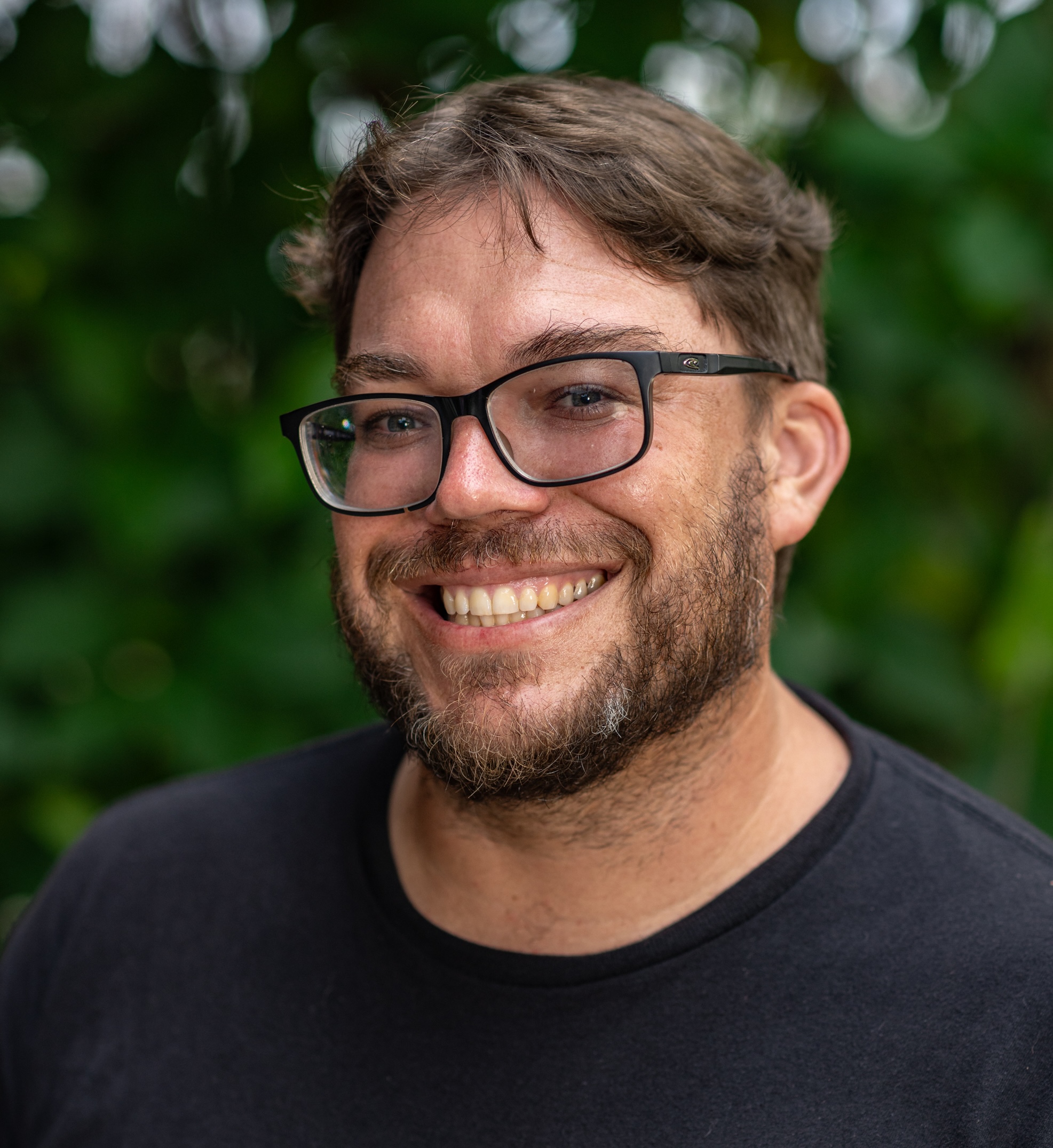
Chris is an archaeologist, heritage and Protected Area manager, and educator living in the Caribbean nation of Antigua and Barbuda. He serves as the Education Fellow for the Foundation year cohort. Chris joined Preserving Legacies initially as a site custodian with Nelson's Dockyard National Park where he served as the Heritage Department Manager and the focal point for the UNESCO World Heritage Site Antigua Naval Dockyard and Related Archaeological Sites. Since then he has transitioned into consultancy work focusing primarily on SIDS, heritage, reparative justice, environment and culture, and management and governance of protected areas. In addition to working with Preserving Legacies, Chris is currently an adjunct lecturer at The University of the West Indies, Five Islands Campus and a consultant with the Centre of Excellence for Oceanography and the Blue Economy. He also serves on the Board of the Historical and Archaeological Society, which manages the Museum of Antigua and Barbuda.

Roberta Martins
Read bio
Advisor at the Secretariat for Institutional Relations of the Presidency of the Republic - Brazil. Anthropologist, Strategy Designer, and Specialist in Innovation and Governance.

Aline Vieira de Carvalho
Read bio
Aline Vieira de Carvalho is a researcher at the Center for Environmental Studies and Research (NEPAM) at the University of Campinas (Unicamp), Brazil, where she coordinates the Laboratory of Public Archaeology. She also chairs the ICOMOS Brazil Committee on Climate Change and Heritage. Her research explores the intersections of cultural heritage, archaeology, environmental history and climate action, with a particular focus on public engagement, social justice and the role of culture in building resilient and sustainable futures.
Our Leadership Partners